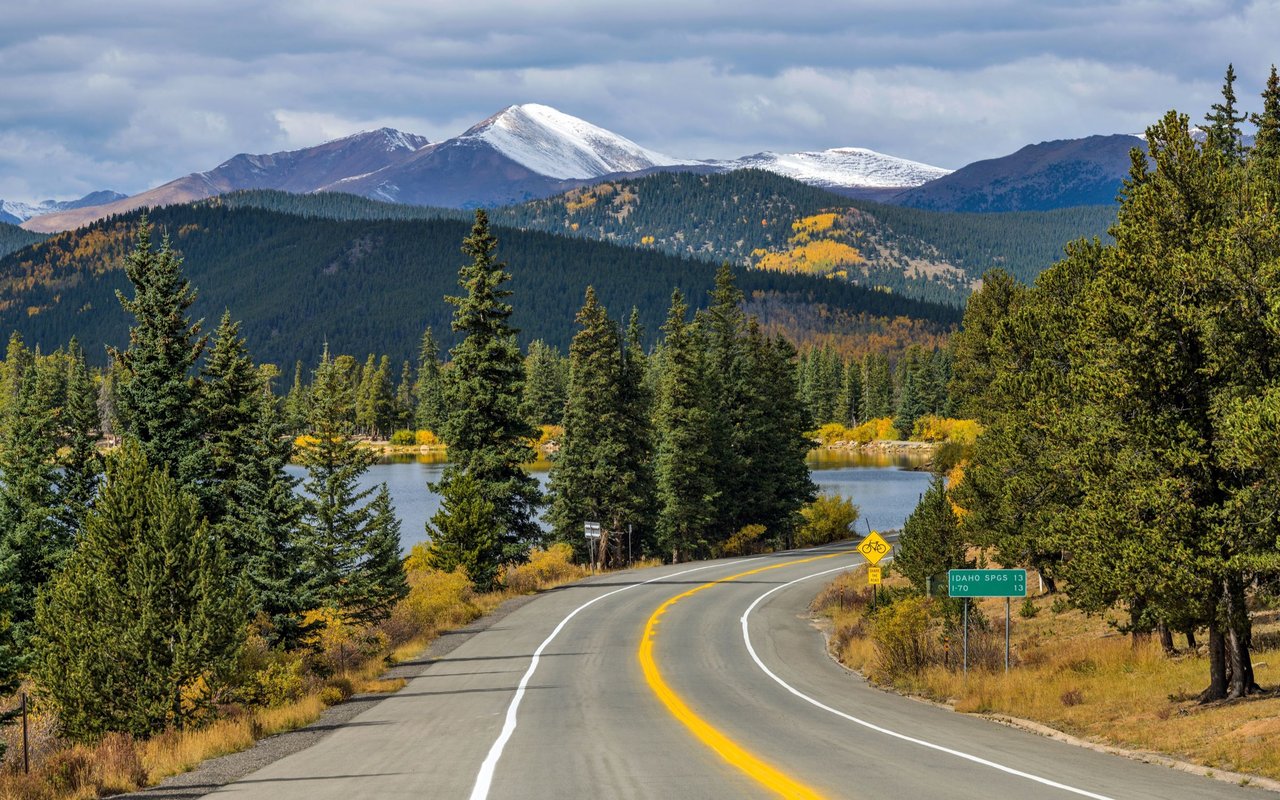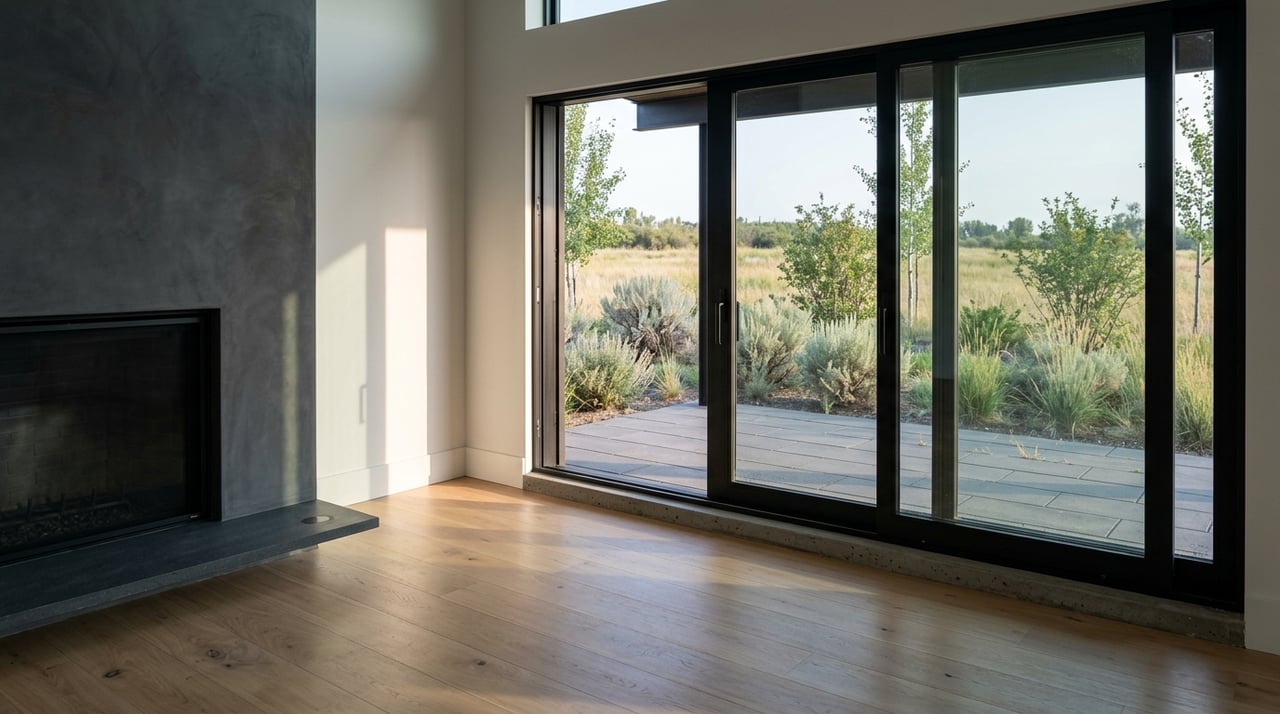
If you picture home as space to breathe, room to build, and land that feels like a true retreat, Felt, Idaho deserves a closer look. This is not a typical town-center housing search, and that is exactly the appeal for many buyers. In Felt, your options often center on acreage, privacy, and a lifestyle shaped more by land stewardship than by convenience around the corner. Here’s what you should know before you start exploring this rural corner of Teton County.
Why Felt Appeals to Rural Buyers
Felt is best understood as a low-density rural retreat market. Teton County had an estimated population of 12,932 in 2024, with 7,199 housing units and a 79.8% owner-occupied rate. The countywide median owner-occupied home value was $595,900 in the Census Bureau’s 2019 to 2023 estimates.
Those county numbers give helpful context, but Felt itself stands apart because the market leans heavily toward open land and larger parcels. If you are looking for a place with a conventional neighborhood feel or a walkable main street setting, Felt may not be the right fit. If you want privacy, views, and room to shape your property around your goals, it can be a compelling option.
What Rural Living Looks Like
In Felt, rural living often means thinking beyond the house itself. You may be evaluating land use, access, topography, and how the parcel supports the lifestyle you want. That could mean a custom home site, a home with acreage, or a larger ranch or farm parcel.
Teton County’s land development approach is designed to preserve rural atmosphere, open space, native vegetation, riparian areas, wildlife habitat, scenic views, and to address floodplain and wildfire hazards. That framework matters because it helps explain why Felt feels open and low density compared with more built-up markets.
What Homes and Land in Felt Tend to Offer
Current public listing snapshots show a thin, acreage-heavy market. At the time referenced in the research, visible listings in Felt included everything from 20-acre land tracts to a 421.36-acre farm parcel, with pricing that ranged from about $399,000 to $10.95 million.
That listing mix suggests a market centered on a few core property types:
- Larger-acreage homes
- Vacant land and building sites
- Ranch and farm parcels
- Custom or semi-custom rural homes
This matters if you are starting your search with expectations shaped by suburban or in-town inventory. In Felt, you are more likely to compare parcel size, land features, and use potential than lot-line proximity or subdivision amenities.
Why Zoning Matters in Felt
In a rural market, zoning is not background information. It is a key part of understanding how a property may function for you now and over time. Teton County includes rural districts such as RA-35, LA-35, and RR-20, each with a different purpose and set of expectations.
RA-35 and LA-35
RA-35 is intended primarily for agricultural land and very low-density residential use. The county says this zone is meant to support crops, livestock, related agricultural uses, wildlife habitat, and preservation of rural agricultural land.
LA-35 also focuses on lowland agriculture. The code notes that development in this type of area may be constrained by remoteness of services, topography, wetlands, floodplains, and other environmental issues.
RR-20
RR-20 allows residential dwellings mixed with agriculture. The county specifically contemplates gardens, farm animals, and livestock in this district.
For you as a buyer, these distinctions can shape what is practical on a parcel. The right property is not only about scenery or square footage. It is also about whether the land aligns with how you plan to use it.
How Much Land Is Typical?
One of the most common questions in Felt is how much land is normal. In Teton County’s rural districts, the planning framework is often built around 20 to 35 acres per dwelling. Current visible listings tied to Felt have ranged from 5.98 acres to 421.36 acres.
That spread tells you two things. First, there is no single standard property type in Felt. Second, your search should begin with your intended use, whether that is building a retreat, keeping animals where allowed, creating a long-term legacy property, or simply enjoying extra privacy.
Due Diligence Matters More Here
Rural property can offer freedom and flexibility, but it also asks more of your due diligence. In Felt, parcel-level review is especially important because land use, access, and environmental overlays can affect your plans.
Teton County treats wildfire as a real planning issue. If a parcel falls within or near the Wildfire Hazard Overlay, the county may require added site, landscaping, or vegetation-management plans, and fire officials may be consulted.
You should also pay close attention to:
- Floodplain considerations
- Physical access to the property
- Topography and buildability
- Wetlands or other environmental constraints
- Parcel-specific vegetation management needs
In a market like Felt, a beautiful property and a workable property are not always the same thing. Careful review upfront helps you make a sound decision with fewer surprises later.
Who Felt Is Best Suited For
Felt tends to resonate with buyers who value privacy, open land, and self-directed rural living. It is a strong fit for people who think about ownership not just as a house purchase, but as stewardship of land and lifestyle.
You may feel at home here if you are looking for:
- A primary residence with room to spread out
- A second home or rural retreat
- A custom building site with meaningful acreage
- A farm or ranch property
- A legacy land purchase with long-term vision
By contrast, buyers who prioritize walkability or neighborhood-style convenience may find Felt less aligned with their goals. The appeal here is the land itself and the quiet that comes with it.
Recreation Adds to the Lifestyle
Felt’s appeal is not only about private acreage. It is also tied to the broader outdoor setting of Teton Valley and nearby public lands. The Caribou-Targhee National Forest spans more than 3 million acres across Idaho, Wyoming, and part of Utah, and the Teton Basin Ranger District is based in Driggs.
That setting gives you access to the kind of recreation many rural buyers actively seek. Forest Service and Idaho Parks and Recreation information highlights opportunities connected to the region such as hiking, mountain biking, Nordic skiing, horseback riding, and access to areas like Teton Canyon and Grand Targhee.
The Ashton-Tetonia Trail is another nearby recreation anchor. Idaho Parks and Recreation manages it as a state park and notes broad Teton views and access points in Tetonia, with no ATV or vehicle use allowed on the trail.
What to Think About Before You Buy
A strong Felt property search starts with a few clear questions. The more specific you are about your goals, the easier it becomes to narrow the right parcel or home.
Ask yourself:
- How much land do you really want to maintain?
- Do you want a finished home, a building site, or a larger agricultural parcel?
- Will zoning support your intended use?
- Are wildfire, floodplain, or access issues likely to affect your plans?
- Are you buying for full-time living, retreat use, or long-term holding?
These are practical questions, but they are also strategic ones. In a rural market, thoughtful planning usually leads to better outcomes than rushing toward the first property with good views.
Why Local Guidance Helps
Felt is the kind of market where local knowledge can make a real difference. Two properties may look similar online but carry very different implications when you consider zoning, access, land characteristics, and long-term suitability.
That is especially true if you are weighing a land purchase, a farm or ranch property, or a custom-home opportunity. A calm, informed approach can help you match the property to your lifestyle and financial goals, not just to a listing description.
If you are considering rural retreat living in Felt, the right guidance should help you think clearly about both opportunity and responsibility. When you want help evaluating acreage, land use, or a legacy-minded purchase in Teton County, connect with Wealth Wise West for thoughtful, locally informed support.
FAQs
What kind of properties are common in Felt, Idaho?
- Felt listings tend to lean toward larger-acreage homes, vacant land, building sites, and farm or ranch parcels rather than typical in-town housing.
How much acreage is common for rural property in Felt?
- Teton County’s rural planning framework often centers on 20 to 35 acres per dwelling, and visible Felt listings have ranged from 5.98 acres to 421.36 acres.
Can you keep animals on rural property in Felt?
- In some county rural districts, yes. RR-20 specifically contemplates gardens, farm animals, and livestock, while RA-35 is centered on agricultural use.
What should buyers check before purchasing land in Felt?
- Buyers should review zoning, wildfire overlay issues, floodplain concerns, access, topography, and parcel-specific vegetation or environmental constraints.
Is Felt, Idaho a good fit for buyers seeking convenience?
- Felt is generally better suited to buyers who want privacy, open space, and a rural lifestyle than to buyers focused on walkability or neighborhood-style convenience.
What outdoor recreation is available near Felt, Idaho?
- Nearby recreation includes access to the Caribou-Targhee National Forest, Teton Canyon, Grand Targhee area activities, and the Ashton-Tetonia Trail for scenic non-motorized use.