Wondering if a small homestead near Tetonia is as simple as buying a few acres and starting to build? In this part of Teton County, the dream can be very real, but the details matter more than many buyers expect. If you want a property that supports your goals without expensive surprises, it helps to understand zoning, access, water, septic, soils, and taxes before you make an offer. Let’s dive in.
Start With County Rules
Near Tetonia, many rural properties are governed first by Teton County land-use rules. That means your plans for a garden, animals, outbuildings, or a second dwelling need to fit the county’s land development code, not just the way a listing describes the land.
For many small homestead buyers, the most relevant zoning districts are RR-20 and RA-35. RR-20 is intended to allow residential uses with gardens, farm animals, and livestock, while RA-35 is intended more for crop production and keeping livestock. If you are looking at land in LA-35 or in flood hazard or wildfire-focused districts like FH-10 or FH-20, the constraints can be more significant.
Another key detail is whether the parcel sits in unincorporated county land or inside an Area of City Impact. In those areas, other ordinances can apply, so it is important to confirm exactly which rules control the property before you move forward.
Match the Parcel to Your Homestead Goals
Not every rural parcel supports the same kind of lifestyle. A property that works well for a home and a garden may not be the right fit for larger animal facilities, added structures, or future flexibility.
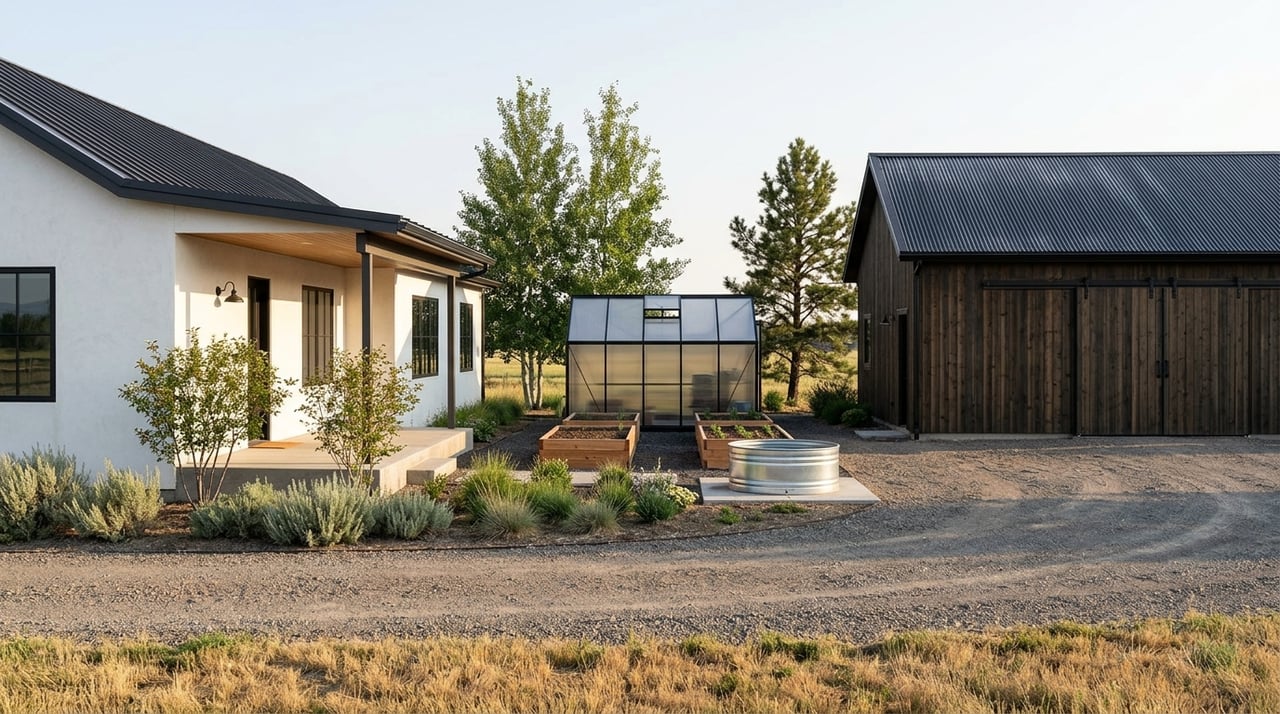
As you compare parcels near Tetonia, think about the day-to-day use you actually want. If your vision includes a modest home, a greenhouse, chickens, and room to grow food, your screening process may look different than if you also want hay ground, larger livestock facilities, or a detached accessory dwelling unit.
This is where a calm, data-driven approach matters. The goal is not just to find pretty land. The goal is to find land that can realistically support how you want to live.
Confirm Legal Access Early
Access is one of the first items to verify. Teton County requires every new lot to abut a public or private road or access easement, and new building or site improvements also need a driveway or right-of-way access permit.
If a parcel uses a shared driveway, there should be a recorded easement and a joint maintenance agreement. That may sound like a small paperwork issue, but it can affect financing, development plans, and long-term ease of ownership.
Before you fall in love with a view, make sure you know how the property is legally reached and what rights come with that access. In rural property, that is foundational.
Check Setbacks and Building Limits
A small homestead often includes more than one structure. You may want a shop, barn, animal shelter, greenhouse area, or an accessory unit, so it helps to understand the county’s dimensional rules upfront.
In the rural residential and agricultural districts, standard setbacks are 30 feet in the front and sides and 40 feet in the rear. Primary and accessory structures generally have a 30-foot maximum height, while agricultural buildings can go up to 60 feet.
Accessory buildings over 200 square feet require a building permit. Buildings that house animals cannot be closer than 50 feet from a property line, except on property owned or occupied by the owner or operator of the facility. These details can shape where improvements can actually go on the lot.
Understand ADU and Outbuilding Options
Some buyers hope to add flexibility with a detached ADU for guests, extended household use, or other personal needs. In Teton County, detached ADUs are allowed only one per parcel, and size caps vary based on parcel size.
There is another practical step here as well. The applicant must verify septic capacity, which means your ADU plan is tied directly to wastewater feasibility.
That is a good example of how rural property decisions connect together. A second structure may not be limited by your vision alone. It may be limited by zoning, septic capacity, and buildable area.
Water Is a Major Due-Diligence Item
If there is one issue that deserves extra attention, it is water. Idaho requires a drilling permit from the Idaho Department of Water Resources before a well is drilled, and the well must be constructed by a licensed driller.
For many homes, a domestic well can move forward without the additional IDWR approvals that are required for irrigation, commercial, multi-family, or municipal wells. Idaho also treats water rights as real property rights, and a right can be lost after five years of non-use.
For a home, Idaho’s domestic right includes irrigation of up to one-half acre of land. If your small homestead plan depends on irrigating more than that, or if the parcel has a more complex water setup, you will want to study that issue very carefully.
The IDWR well map can also help you evaluate nearby well conditions. It can show details such as well depth, geology, depth to water, water levels, flow rate, construction method, and historical logs. That information can help you ask better questions before closing.
Septic Feasibility Can Shape the Whole Plan
If the property is not connected to public or community wastewater, septic feasibility becomes a central part of your planning. Teton County requires state on-site wastewater compliance and an Eastern Idaho Public Health site evaluation when a property owner applies for septic.
In practical terms, this means you should not assume that every attractive parcel is ready for the same home size or accessory setup. Septic design is tied to site conditions, and those conditions can affect how the property functions over time.
For buyers who want a house, guest space, animals, and outbuildings, it is wise to treat septic review as an early-stage feasibility test rather than a later paperwork step.
Review Soils, Slope, and Terrain
The Tetonia area has meaningful variation in topography and soil conditions. USDA information on the Tetonia soil series describes it as very deep and well drained, but it also occurs on mountain slopes, hillslopes, and plateaus with slopes from 0 to 65 percent.
That means broad soil descriptions are helpful, but they do not replace parcel-specific review. A property may look usable from the road while still presenting grading, foundation, drainage, or access challenges.
The NRCS Web Soil Survey is the official source for current soil survey information and is intended to support land-use and management decisions. For a small homestead, soil and slope data can affect gardens, building sites, drainage planning, and septic feasibility.
Teton County also applies steeper-slope rules. Grading or development on slopes above 20 percent triggers the steep-slope section, retaining walls over 4 feet require a building permit and engineer design, and physical development is generally not permitted on natural slopes above 30 percent except for essential access.
Plan for a Short Growing Season
Gardening near Tetonia is possible, but the climate asks for realism and planning. According to University of Idaho Extension, Teton County ranges from USDA hardiness zone 5a in the valley to 3a at higher elevations.
The average frost-free period runs from mid-June to early September, and occasional midsummer frost can still happen. Cool nights and a short season can slow plant growth, which is why season extension and crop selection matter so much.
If your homestead dream centers on food production, be sure the parcel fits your garden goals and your growing strategy fits the local climate. Raised beds, hoop houses, and thoughtful crop planning can matter just as much as acreage.
Watch for Ditches and Rights-of-Way
Some rural parcels include irrigation ditches or district rights-of-way. If construction would affect those features, written consent from the affected entity is required before the work can impinge on them.
This is easy to overlook when you are focused on the house site or the mountain view. Yet a ditch, easement, or right-of-way can influence where you place a driveway, fence, barn, or other improvement.
A clean homestead plan depends on knowing these physical and legal constraints in advance.
Factor in Taxes and Long-Term Budget
A small homestead is not just a land purchase. It is also a long-term budget decision. For a primary residence, Idaho’s homeowner or homestead exemption can be a meaningful factor.
Idaho State Tax Commission guidance issued in 2026 says the exemption can remove 50 percent of the value of the home, up to $125,000, and it applies to no more than 1 acre of land. The same guidance says there is no proration and no annual reapplication as long as eligibility does not change.
If you are buying more than one acre, do not assume the entire parcel receives the same tax treatment. This is one of several reasons financially minded buyers should review the exact parcel, intended use, and ownership plan before closing.
Be Ready for Agricultural Impacts
Life near active farms and ranches can be rewarding, but it also comes with normal agricultural conditions. Teton County recognizes that agricultural operations may involve noise, odors, dust, fumes, light, on-site sales, and other impacts associated with farming.
The county also notes that after an agricultural operation has been in place for more than a year, it generally is not treated as a nuisance simply because nearby nonagricultural uses later changed. For buyers, that is less about concern and more about setting clear expectations.
If you want a small homestead near Tetonia, it helps to value the working-land context that makes the area what it is.
Use a Smart Pre-Offer Screening Process
Rural property rewards careful screening. A beautiful parcel can still be the wrong fit if one key feasibility item does not line up.
A practical pre-offer sequence for a small homestead near Tetonia looks like this:
- Verify zoning and the governing land-use rules
- Confirm legal road access, easements, and driveway requirements
- Screen water setup and well-related issues
- Review septic feasibility and site evaluation needs
- Check slope, terrain, and soil conditions
- Confirm tax treatment for the exact parcel
This kind of process helps you make decisions with clarity instead of emotion alone. It also gives you a better chance of finding a property that supports both your lifestyle and your long-term stewardship goals.
If you are exploring land or a rural home near Tetonia, the right guidance can save time, reduce risk, and help you weigh the property through both a lifestyle and financial lens. For thoughtful help evaluating land, access, feasibility, and long-term fit, connect with Wealth Wise West.
FAQs
What zoning should you look for on a small homestead near Tetonia?
- In many cases, RR-20 and RA-35 are the most relevant districts because RR-20 is intended for residential uses with gardens, farm animals, and livestock, while RA-35 is intended more for crop production and keeping livestock.
What water rights matter for a Tetonia homestead property?
- Idaho treats water rights as real property rights, and for homes a domestic right includes irrigation of up to one-half acre of land, so your intended water use should match the parcel’s actual setup.
What septic review is needed for rural property near Tetonia?
- If the property is not on public or community wastewater, Teton County requires state on-site wastewater compliance and an Eastern Idaho Public Health site evaluation when you apply for septic.
What building limits apply to homestead structures in Teton County?
- Standard rural residential and agricultural setbacks are 30 feet in the front and sides and 40 feet in the rear, with a 30-foot maximum height for primary and accessory structures and 60 feet for agricultural buildings.
What climate challenges affect gardening near Tetonia?
- Teton County has a short growing season, with an average frost-free period from mid-June to early September and occasional midsummer frost, so crop selection and season extension are important.
What tax benefit applies to a primary homestead in Idaho?
- Idaho guidance issued in 2026 says the homeowner or homestead exemption can remove 50 percent of the value of the home up to $125,000 and applies to no more than 1 acre of land, if eligibility requirements are met.