If you are looking at Island Park as a vacation rental investment, the big question is not just whether guests will come. It is whether the property can handle a very seasonal, operations-heavy rental model in a recreation market shaped by access, weather, parking, and local rules. If you want to evaluate Island Park with clear eyes, this guide will help you understand what drives demand, which properties tend to fit best, and where the real friction points show up. Let’s dive in.
Island Park demand starts with recreation
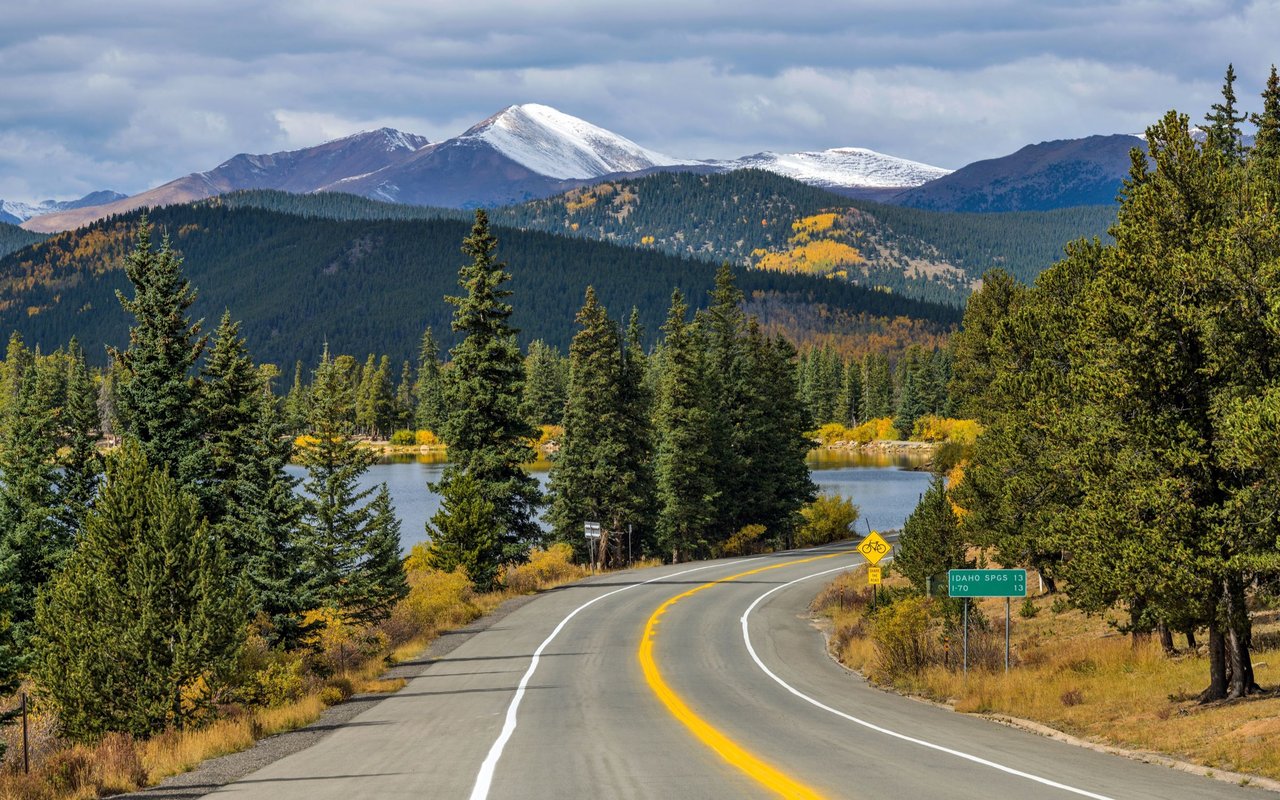
Island Park is not a broad, steady year-round lodging market. It is a recreation-led market, with demand tied closely to Yellowstone access, Henrys Fork fishing, Big Springs, Island Park Reservoir, Mesa Falls, and winter snowmobiling.
Yellowstone is the main demand engine. In 2025, Yellowstone welcomed 4,762,988 recreation visits, and the West Entrance was the park’s busiest entrance, receiving about as many visitors as the next two entrances combined. For many buyers, that alone explains why Island Park stays on the radar.
But Island Park is not only a Yellowstone overflow story. The Ashton/Island Park Ranger District is described by the Caribou-Targhee National Forest as a recreational haven for fishing, camping, hiking, and snowmobiling, with places like Big Springs and Mesa Falls drawing visitors through multiple seasons.
That broader recreation base matters because it gives the market more than one source of demand. Guests may come for a summer park trip, a fishing-focused stay near Henrys Fork, a reservoir weekend, or a winter snowmobile trip.
Seasonality shapes the income picture
One of the most important things to understand about Island Park is that demand is not evenly spread across the year. This is a market with clear busy periods and clear slower periods.
Yellowstone visitation patterns show July and August as the busiest months, followed by June and September. January, February, November, and December are much lower-volume months for the park overall.
Weather also reinforces that split. NOAA normals for Island Park show average highs of about 77°F in July and August, compared with about 26.5°F in January and 25.5°F in December.
That does not mean winter is irrelevant. It means winter demand works differently.
Winter demand is real, but different
Island Park has a meaningful winter recreation story. The Caribou-Targhee National Forest says the area has more than 500 miles of groomed snowmobile trails and calls it a snowmobiling mecca.
At the same time, winter access in the Yellowstone area changes how visitors travel. During winter, most Yellowstone park roads are open primarily to commercially guided snowcoach and snowmobile travel and are closed to automobiles.
For an investor, this means winter bookings may depend less on general sightseeing traffic and more on guests planning a specific snowmobile or snowcoach trip. That can support demand, but it also raises the importance of trailer parking, snow storage, winter access, and reliable local operations.
Access can change by season
In Island Park, location is not just about scenery. It is also about practical access in different months of the year.
The Forest Service says Mesa Falls Highway closes at the first plowable snowfall and is generally not plowed open until mid-May. The Mesa Falls Visitor Center also typically opens at the end of May, depending on access.
Some nearby recreation infrastructure is seasonal too. Big Springs Campground generally runs from late May to early September.
That matters because your property’s rental appeal may shift by season depending on road access, recreation access, and how easy it is for guests to use the home in summer, shoulder season, and winter. A cabin that works well in both warm-weather and snow season may have a stronger overall use case than one tied mostly to a narrow summer window.
Best-fit properties in Island Park
In practical terms, Island Park tends to favor whole-home vacation rentals over more complex lodging formats. The City of Island Park defines a transient rental as a dwelling unit occupied for not more than 30 days in a residential zoning district, and it allows no more than one transient rental living unit per property.
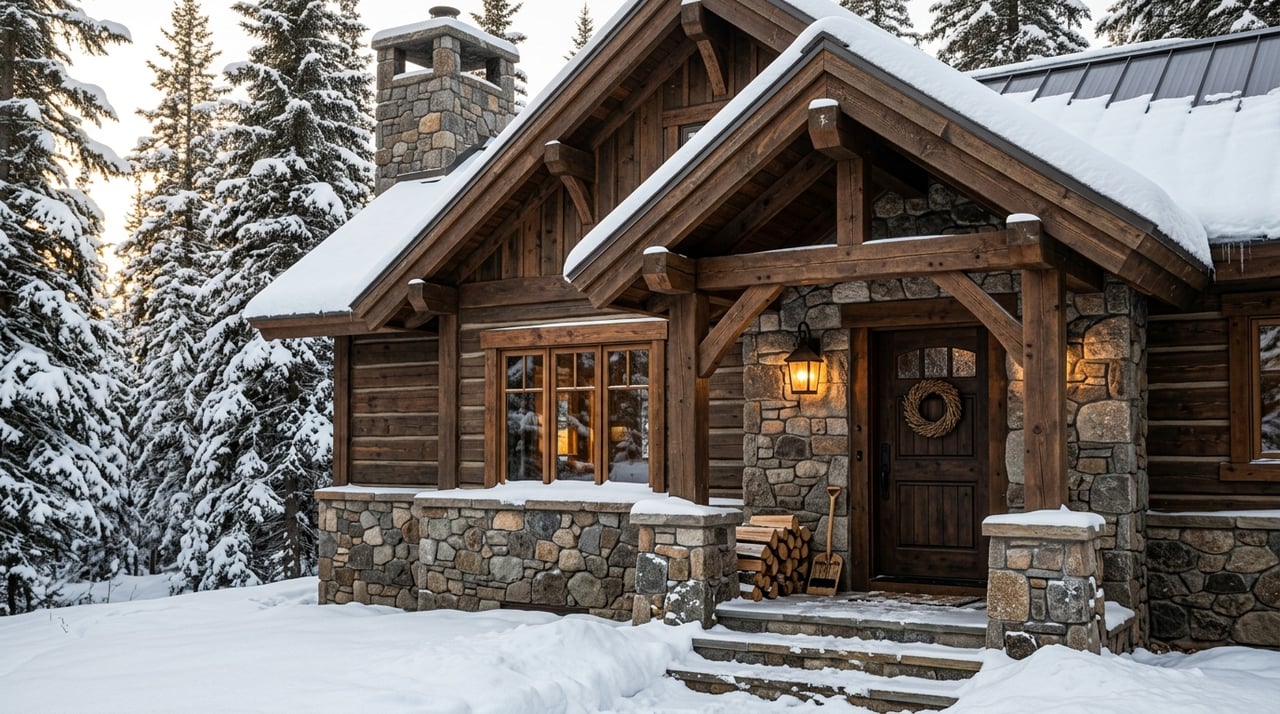
That framework generally points buyers toward cabins and single-family vacation homes. Fremont County also defines a cabin as a smaller rustic structure designed as a second or vacation home, often with the owner absent during transient rental periods.
The most promising properties usually share a few practical traits:
- Whole-home cabin or vacation-home layout
- Good access to Yellowstone routes, Henrys Fork, reservoir recreation, or winter trails
- Enough off-street parking for guests
- Space for snow storage
- Room for trailers, motorhomes, or enclosed ATV and snowmachine parking where needed
- A layout and site plan that can support both summer and winter use
This is one of those markets where the lot and site function can matter as much as the finishes inside the home. A beautiful cabin with poor parking or no workable snow plan may be less competitive than a more modest home that is easy to operate year-round.
Why parking and snow storage matter so much
Island Park’s local code makes this issue hard to ignore. The city requires year-round off-street parking, on-site snow storage, and parking capacity sized to allowable occupancy.
The code also states that if no snow storage is provided, the use is limited to reasonable summer and fall use. That single point can materially affect your rental strategy.
If you are evaluating a property, ask simple but important questions early:
- Where will guests park in winter?
- Is there clear on-site snow storage?
- Can trailers fit without creating site issues?
- Does the property function well for turnover during snow season?
- Will guest vehicles and recreation equipment fit within the rules?
These are not minor details. In a place like Island Park, they are part of the investment thesis.
Permits can shape what works
Before you assume a property can be used the way you want, review the local permit path. In the City of Island Park, transient rentals require a yearly inspection, a public information sign showing occupancy and parking information, a responsible contact person within a 30-minute drive, and a permit tied to the owner.
That permit is revoked on sale or transfer. So if you are buying a property because it operates as a short-term rental today, you should not assume the current permit simply carries over.
County rules also matter. Fremont County limits minor transient uses to 15 overnight occupants under a Class I Residential Business/Lodging Permit. Expanded transient uses from more than 15 up to 30 overnight occupants require a Class II Conditional Use permit, and uses above 30 overnight occupants are treated as commercial.
The county also requires a local contact, road access, and a sewer-connected capacity standard of 150 square feet per occupant. For larger group-oriented cabins, that can be a meaningful constraint.
Ownership is not always passive
Many buyers are drawn to Island Park because they want a second home that can offset costs when they are not using it. That can work, but it is important to think of the property as an active lodging operation, not just a cabin with occasional bookings.
Common ownership models include:
- A family second home rented occasionally
- An investor-owned cabin with professional management
- A larger lodge or commercial lodging use if the property does not fit the residential permit structure
Because of inspections, occupancy limits, local-contact requirements, parking rules, snow-management needs, and tax handling, many owners benefit from local management support. In a market shaped by seasonality and recreation gear, hands-on oversight often matters more than buyers expect.
Taxes are part of the math
Idaho treats short-term or vacation rentals of 30 days or less as lodging. Owners or marketplaces must collect and remit Idaho sales tax and Travel and Convention tax, along with any applicable local taxes, depending on whether bookings are direct or handled through a registered short-term rental marketplace.
The City of Island Park also requires a copy of the Idaho State Tax Commission application for sales and Travel and Convention tax as part of the transient rental process. That is another reminder that compliance is part of day-one planning, not something to figure out later.
When you evaluate potential returns, include more than purchase price and projected nightly rate. You also need to account for management, maintenance, snow handling, cleaning, permit compliance, taxes, and the possibility of slower stretches outside peak travel windows.
How to evaluate an Island Park opportunity
If you are comparing properties, use a framework that goes beyond the listing photos. A good Island Park vacation rental candidate should be judged on four core areas.
Demand fit
Look at how the property connects to the area’s main recreation drivers. Is it well positioned for Yellowstone summer demand, Henrys Fork access, reservoir activity, or winter snowmobiling?
Site function
Review parking, snow storage, road access, and any room needed for trailers or gear. This can directly affect whether the home works for the guest profile you want to attract.
Permit path
Confirm whether the property is in the City of Island Park or unincorporated Fremont County, then review the applicable occupancy, inspection, contact-person, and use rules. A property that looks strong on paper may still have a narrow operating path.
Operational burden
Be realistic about how hands-on the property will be. In Island Park, the right local manager or support system can make a meaningful difference.
Is Island Park a good vacation rental market?
For the right buyer, yes. Island Park can make sense if you want personal-use value plus rental offset in a destination driven by Yellowstone access, fishing, water recreation, and winter trail activity.
It is likely a better fit for buyers who are comfortable with seasonality and active operations than for those seeking a steady, low-touch income property. The strongest opportunities tend to be whole-home cabins or vacation homes with practical site features, strong recreation access, and a clear compliance path.
If you approach the market with a stewardship mindset and careful due diligence, Island Park can offer a compelling mix of lifestyle use and investment potential. The key is buying for function, not just charm.
If you are weighing a cabin, second home, or investment property in Island Park, Wealthwise Real Estate can help you evaluate the opportunity with a practical, financially informed lens.
FAQs
What makes Island Park different from other vacation rental markets?
- Island Park is a recreation-led, highly seasonal market driven mainly by Yellowstone access, Henrys Fork, Big Springs, Island Park Reservoir, Mesa Falls, and winter snowmobiling rather than broad year-round local demand.
What property type fits Island Park vacation rental demand best?
- Whole-home cabins and single-family vacation homes are typically the best fit, especially when they offer strong access, enough parking, and workable snow storage.
What should you check before buying an Island Park short-term rental?
- You should review the property’s road access, off-street parking, snow storage, occupancy limits, permit requirements, and whether it can function well in both summer and winter.
What are City of Island Park transient rental requirements?
- The city requires a yearly inspection, a public information sign with occupancy and parking details, a responsible contact person within a 30-minute drive, and a permit tied to the owner.
How does Fremont County regulate transient rentals near Island Park?
- Fremont County uses permit categories based on overnight occupancy, with minor transient uses up to 15 occupants, expanded transient uses from more than 15 to 30 occupants, and larger uses treated as commercial.
Does winter matter for Island Park vacation rentals?
- Yes. Winter demand is supported by snowmobiling and snowcoach-related travel, but it depends heavily on access, trailer parking, snow storage, and operational readiness.