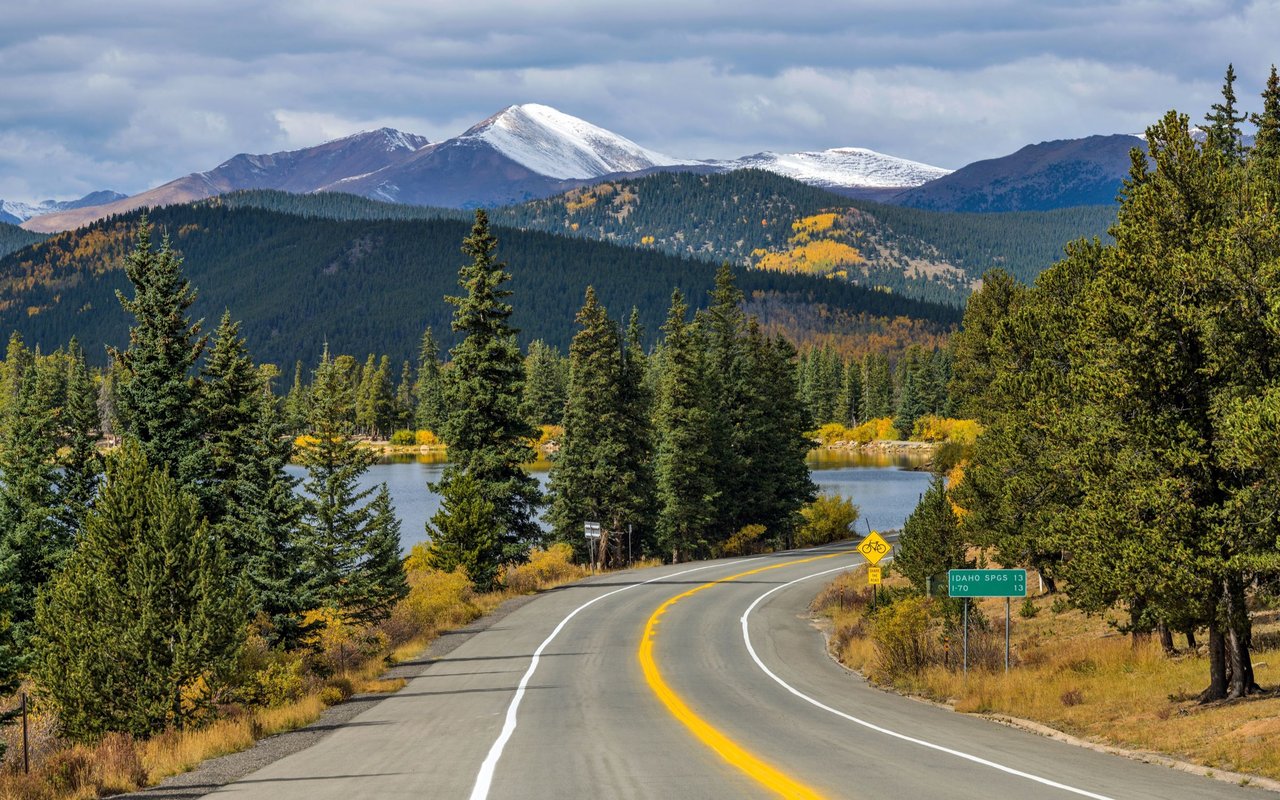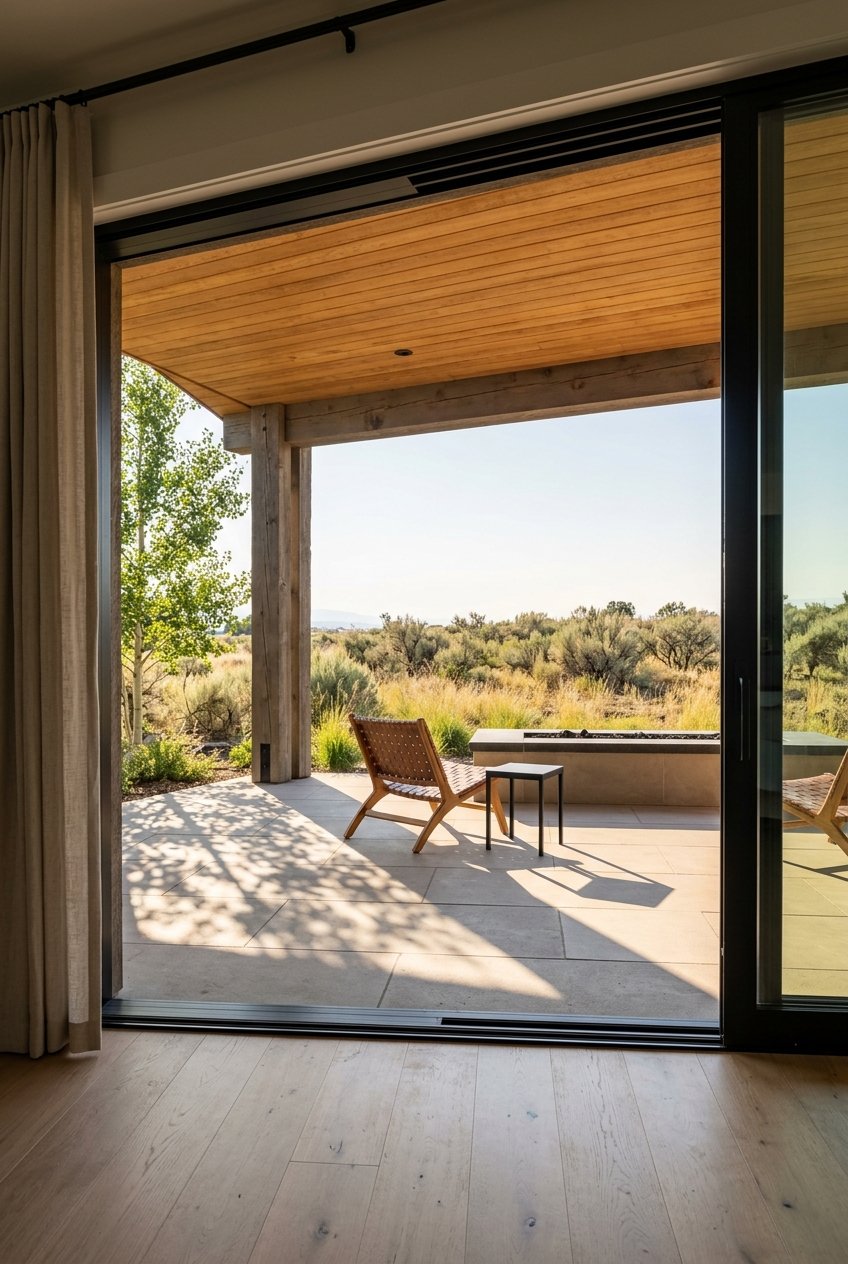
Wondering whether you can sell your Tetonia view home quietly without giving up value? In a market where scenery, land use, and privacy often matter as much as the house itself, a discreet sale can be a smart fit for the right property and the right seller. If you want to protect confidentiality, attract serious buyers, and avoid unnecessary noise, it helps to understand how Tetonia works before you go to market. Let’s dive in.
Why Tetonia view homes are different
In Tetonia, a view home is rarely just a house with nice windows. The surrounding land, open vistas, water access, road access, and privacy all shape how buyers see value. That matters because Teton County and the City of Tetonia both place clear emphasis on scenic character and environmental quality.
Teton County land rules also prioritize scenic resources, wildlife habitat, wildfire protection, and open space. In practical terms, buyers often evaluate a property as place plus land, not just structure plus lot. That is especially true for view properties where the setting is part of the asset.
What the local market suggests
Tetonia sits in a county with a high owner-occupied rate and substantial household wealth markers. The July 2025 Census estimate for Teton County showed a population of 13,254, an owner-occupied rate of 80.8 percent, median household income of $99,805, and a median owner-occupied home value of $690,500.
Pricing remains elevated, but the market has also shown signs of patience. Redfin reported a Teton County median sale price of $944,168 for the three months ending May 2026, with homes taking 116 days on market. Idaho Labor’s June 2025 regional report put the county median sold price at $955,500, with 182 active listings, 68 median days on market, and 36 homes pending.
Tetonia-specific figures reinforce that this is a premium, thinly traded market. Realtor.com reported a Tetonia median listing price of $1,223,783 and 122 median days on market in May 2026, while Zillow showed a typical home value of $881,109 and a median list price of $1,513,333. The takeaway is simple: automated values are not enough for a view property in Tetonia.
Why discreet sales can work here
A quiet sale is not the right move for every home, but it can fit Tetonia especially well. The likely buyer pool for many view homes is narrower than the broad suburban market. Buyers are often looking for privacy, scenery, stewardship, and long-term hold value.
That can make broad exposure less important than the right exposure. If your home is a legacy property, a second-home candidate, or a rural luxury asset with unique land features, a targeted buyer match may serve you better than a public push.
Idaho Labor’s April 2026 regional report also noted that higher-end and rural homes were sitting longer, with some tension between rising prices and softer buyer engagement. In that kind of market, a measured strategy can protect your position better than simply chasing attention.
What “discreet” actually means
A discreet sale does not mean skipping process or cutting corners. It means controlling who sees the property, how information is shared, and when broader marketing happens, if it happens at all.
The National Association of Realtors updated its policy in March 2025 to allow options such as delayed marketing exempt listings and office exclusive exempt listings. Those choices require seller acknowledgment, and local MLS rules still control how those options are handled.
For you as a seller, the practical point is this: privacy is possible, but it needs structure. A quiet campaign works best when it is paired with strong pricing, complete documents, and a clear plan for handling qualified interest.
Price from facts, not guesswork
Discreet sales leave less room for pricing mistakes. When your home is not being pushed to the widest possible audience, the number has to make sense from the start.
That is especially important in Tetonia, where platform estimates vary widely and where rural premium homes can sit longer. Pricing should reflect current local comps, home condition, acreage, water setup, access, zoning context, and the quality of the view corridor.
A mountain view alone does not create a premium in the abstract. Buyers will also ask whether that view is tied to open land, what can be built nearby, and whether scenic or zoning rules shape future development. In a market like this, a smart pricing strategy tells the story of the whole property, not just the square footage.
Prepare the land, not just the house
For a Tetonia view home, curb appeal extends far beyond the front door. The land should feel intentional, usable, and well kept without looking overworked or out of character with the valley.
County standards repeatedly emphasize native vegetation, long vistas, and rural character. That makes basic cleanup especially important. Remove clutter, define outdoor living areas, improve the feel of the drive, and keep the view corridor visually open when possible.
If your property sits in a higher wildfire risk area, presentation also overlaps with readiness. Teton County requires vegetation management and defensible-space planning for principal structures, along with fuel breaks along access roads, driveways, and subdivision boundaries in applicable areas. Recent brush clearing, limb-up work, and access improvements can help both appearance and buyer confidence.
Before starting exterior work, check local requirements. Tetonia’s planning and inspection office handles building permits, inspections, certificates of occupancy, fire prevention, and code enforcement, so pre-listing changes should be reviewed carefully.
Documentation matters in rural sales
In many Tetonia transactions, the most valuable pre-listing work is paperwork. Serious buyers usually want answers early, especially when the property includes rural utilities, private access, or land-use questions.
The Idaho seller disclosure form asks about water source, irrigation, septic, floodplain, drainage, roof condition, hazardous materials, mineral rights, homeowner associations, private roads, and shared road agreements. Those are not side issues in Tetonia. They are often central to the deal.
Gather as much of the following as you can before marketing begins:
- Septic records
- Well logs
- Irrigation information
- Easements
- Shared road or road-maintenance agreements
- HOA or CC&R documents
- Survey plats
- Mineral rights records, if available
- Past permits or improvement records
This kind of preparation reduces delays and gives qualified buyers a cleaner path to confidence. In a discreet sale, that matters even more because you are often trying to move efficiently with a smaller group of well-matched prospects.
Water and utility clarity can protect value
Water questions come up fast in rural Tetonia. Idaho Water Resources notes that Water District 122 includes Teton County, and well construction is managed under state authority. Some well types require approved water rights before approvals are issued.
If your property is served by an individual well or on-site wastewater system, clarity matters. Teton County subdivision standards state that lots not connected to public or community systems must meet state requirements for individual wells and on-site wastewater systems.
You do not need to overwhelm buyers with technical language. You do need to show that the basics are known, documented, and ready for review. For a premium property, uncertainty around water or wastewater can quickly weaken negotiating leverage.
Be ready for view-related buyer questions
Most buyers considering a Tetonia view home will ask some version of the same core questions. You should be ready with factual, specific answers.
Questions buyers often ask
- Will the view stay protected?
- What can be built on neighboring land?
- Are there scenic-corridor restrictions nearby?
- Is the water source secure and properly documented?
- Are there private road or maintenance obligations?
- Are there irrigation rights or seasonal access concerns?
Teton County’s code includes scenic resource protection within 500 feet of Idaho State Highways 31, 32, 33, and Ski Hill Road. The stated intent includes preserving rural character, limiting visual intrusion, retaining long vistas of mountains and fields, and preserving native vegetation.
At the same time, no seller should promise a permanently unchanged horizon without checking the exact zoning, overlays, easements, and parcel context. In many rural zones, such as RA-35 and LA-35, density is low and residential height limits are generally 30 feet for primary and accessory structures, but the exact answer depends on the parcel.
How to sell quietly without losing credibility
The strongest private-sale approach is usually a targeted process, not a vague one. You still want a firm asking strategy, clear disclosures, and an organized information package that can be shared with vetted buyers.
That balance matters because Idaho’s Property Condition Disclosure Act still applies. Sellers of residential real property must complete the RE-25 disclosure form and deliver it within 10 calendar days of acceptance to each prospective transferee or agent.
In other words, discretion should protect your privacy, not reduce buyer trust. The cleaner your file and the clearer your process, the easier it is to preserve both confidentiality and negotiating strength.
When broad exposure may still be better
A discreet approach is not automatically the best option. If pricing is uncertain, if the property needs broad market discovery, or if buyer demand is harder to predict, public exposure may create better competition.
That is why strategy should start with your goals. If your top priority is confidentiality and the likely buyer pool is identifiable, private matching may be worth serious consideration. If your priority is testing demand as widely as possible, then a more public launch may be the better path.
The key is not choosing what feels exclusive. The key is choosing what best fits the property, the market, and the outcome you want.
The Tetonia advantage is in the details
Selling a view home in Tetonia is rarely about flashy marketing. More often, it is about stewardship, preparation, and presenting the property in a way that respects what makes it rare.
The home matters, of course. But in this market, the land, view shed, water, access, and privacy posture often matter just as much. When those pieces are understood and presented well, a discreet sale can be both quiet and strong.
If you are thinking about selling a Tetonia view property and want a strategy built around privacy, data, and buyer fit, Wealth Wise West can help you evaluate the right path.
FAQs
What makes a Tetonia view home different from a typical home sale?
- In Tetonia, buyers often evaluate the home together with the land, views, water setup, access, and zoning context, not just the structure itself.
Can you discreetly sell a home in Tetonia without putting it everywhere online?
- Yes, in some cases a targeted private approach may fit, but the process still needs to follow MLS rules, seller acknowledgments, and Idaho disclosure requirements.
How should you price a view home in Tetonia?
- Pricing should be based on local comparable sales, acreage, improvements, water and access details, zoning context, and the quality of the view, not one automated estimate.
What documents should sellers gather before listing a rural Tetonia home?
- Useful records include septic documents, well logs, irrigation information, easements, survey plats, road agreements, HOA or CC&R documents, and any available mineral rights records.
Do scenic rules affect Tetonia view properties?
- They can, especially near scenic corridors and in low-density rural zones where the county’s code aims to preserve long vistas, rural character, and natural skylines.
What water issues do buyers ask about in rural Tetonia sales?
- Buyers commonly ask about well documentation, water rights, irrigation, and whether the property meets state and local requirements for individual water and wastewater systems.