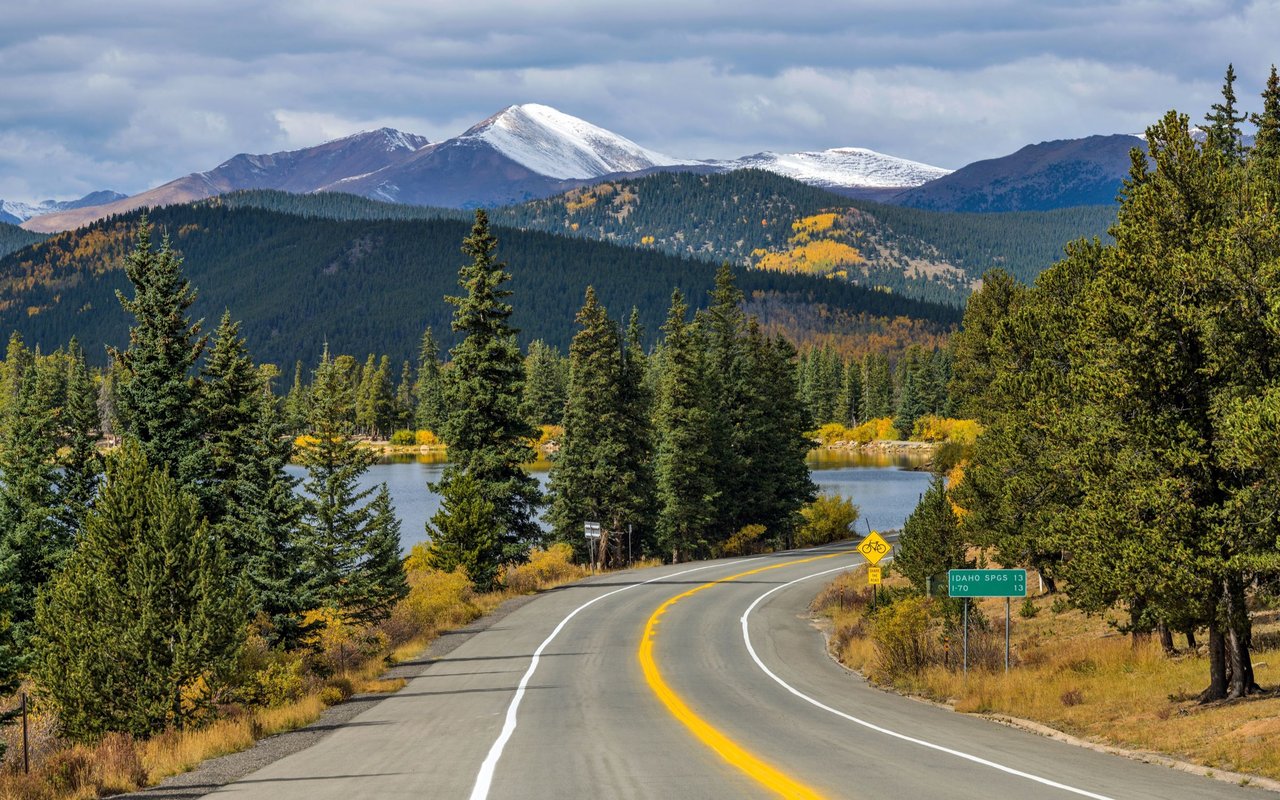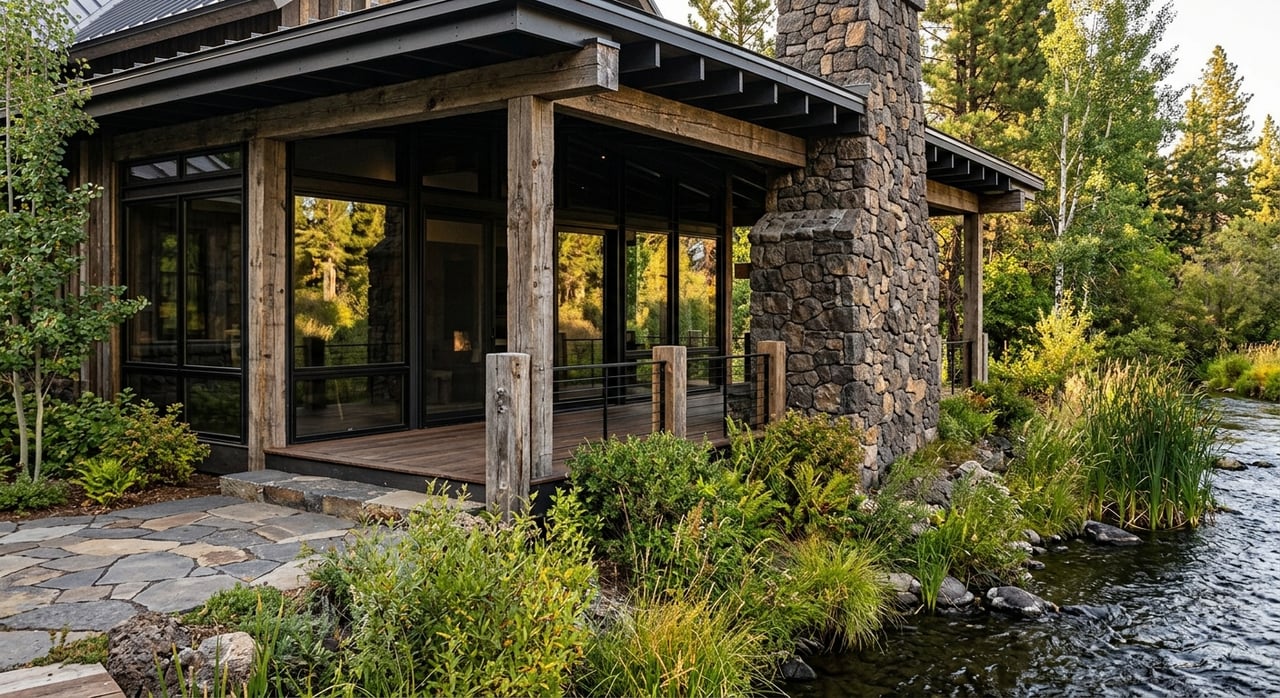
If you are dreaming about a cabin or riverfront property in Swan Valley, it helps to know this market is as much about access and infrastructure as it is about views. You may be drawn to the South Fork of the Snake River, nearby Palisades Reservoir, and the quiet pace that makes this area feel like a true retreat. This guide will walk you through the key buying basics so you can look past the scenery and make a more informed decision with confidence. Let’s dive in.
Why Swan Valley Draws Buyers
Swan Valley is a small, river-centered recreation market in eastern Idaho. The city describes Swan Valley, Irwin, and Palisades as communities along the South Fork of the Snake River, surrounded by the Big Hole Range, the Caribou Mountains, and the Palisades Range.
That setting shapes what many buyers are really looking for here. In practical terms, Swan Valley tends to appeal to people who value quiet, scenery, and access to fishing, boating, hiking, hunting, and trail recreation more than in-town convenience.
Palisades Reservoir also adds to the area’s appeal. It spans about 25 square miles and includes roughly 70 miles of limited-access shoreline, along with boat ramps, campgrounds, and year-round fishing opportunities.
What Makes Swan Valley Different
Swan Valley is not the same kind of recreation market you find in places built around heavier tourism. Compared with Island Park, it reads as quieter and less lodging-dense, with more of a retreat feel and less of a resort corridor atmosphere.
It is also different from Victor and Driggs. Those communities offer more town-center amenities, utilities, and municipal infrastructure, while Swan Valley offers a smaller-scale river setting with a more secluded feel.
That difference matters when you shop for property. In Swan Valley, you are often evaluating not just the cabin itself, but also the road, water source, septic setup, seasonal access, and the realities of owning in a more rural environment.
Start With Access and Seasonality
One of the first questions to ask is simple: how easy is it to get to the property year-round? Forest Service information shows that recreation roads and access points in the area can be affected by closures, and current closures can impact campgrounds, boat ramps, and even some summer home residences.
That means you should confirm whether the road is public or private, who maintains it, and whether snow removal is handled in winter. A scenic driveway can feel very different in January than it does in July.
You should also ask whether the property is designed for four-season living or mainly warm-season use. Some nearby recreation sites operate seasonally, and that is a reminder that not every property in this corridor is set up the same way.
Access Questions to Ask Early
- Is the property inside Swan Valley city limits or in unincorporated county area?
- Is the road publicly maintained, privately maintained, or seasonal?
- Is the driveway plowed in winter?
- Can you reach the home easily with a standard vehicle year-round?
- Is the cabin winterized for full-time or all-season use?
Check Well, Septic, and Utility Basics
Cabin and river-adjacent purchases in Swan Valley often involve rural systems rather than city-style infrastructure. That makes due diligence especially important before you close.
The city requires building permits for structures over 120 square feet. Its permit checklist specifically calls for details such as address, setbacks, well, septic system and replacement area, driveway, mailbox, a septic permit from Eastern Idaho Public Health District, and a floodplain certificate.
The city also notes that the State of Idaho issues and inspects HVAC, electrical, and plumbing permits in Swan Valley. For a buyer, that means improvements and additions should be reviewed carefully so you understand what exists, what was permitted, and what future work may require.
Why Septic and Water Matter
In a rural market, a cabin is only as functional as the systems supporting it. You should find out whether the well and septic system are already in place, whether they are sized for the way you plan to use the property, and whether there is a designated replacement area for septic.
This is especially important if you expect frequent guests or extended family visits. A property that works for two people on occasional weekends may not function the same way for larger gatherings.
Floodplain Questions Deserve Close Attention
If you want riverfront or river-adjacent land, floodplain review should be one of your first steps, not one of your last. Swan Valley ordinances define floodplain and floodway in relation to land adjoining rivers, streams, lakes, and other bodies of water.
The city’s planning documents also state that parts of the area face flood risk. For buyers, that means you should pay close attention to floodplain certificates, elevation concerns, setback limits, easements, and insurance implications.
A beautiful lot near the water can come with real building and use constraints. Understanding those limits early can help you avoid surprises after closing.
Floodplain Due Diligence Checklist
- Ask whether any part of the property is in a floodplain or floodway.
- Review any available floodplain certificate.
- Confirm whether setbacks or building restrictions apply.
- Ask about past flooding or drainage concerns.
- Understand how flood exposure may affect insurance and future improvements.
Wildfire Risk Is Part of the Picture
Swan Valley’s comprehensive planning documents note wildfire risk in the wildland-urban interface. That does not mean every property faces the same exposure, but it does mean wildfire should be part of your property review.
Cabin buyers sometimes focus heavily on water access and overlook the broader land setting. In this area, it is wise to consider vegetation, defensible space, access routes, and how the property may function during dry seasons.
Think Like an Owner, Not a Visitor
It is easy to fall in love with Swan Valley as a weekend destination. Buying well means stepping back and thinking about how the property will work when you are responsible for every part of ownership.
If you want a family retreat, practical details matter. Storage, guest parking, reliable heat, winterization, and overflow sleeping space often make a bigger difference than small cosmetic features.
If you are buying for longer-term stewardship, you also want to think about maintenance rhythms, seasonal access, and whether the property supports the way you actually plan to use it. A thoughtful purchase usually starts with clarity about your goals.
If You Want a Family Retreat
Focus on day-to-day usability, including:
- Dependable heating and winter readiness
- Enough parking for guests and trailers
- Storage for gear and seasonal equipment
- A layout that works for family or visitors
- Easy access to the river, reservoir, or trails you care about most
Considering Occasional Rental Income
Some buyers want personal use first and occasional rental income second. If that is part of your plan, do not assume a cabin can simply be rented out casually without checking the rules.
Idaho State Tax Commission guidance says short-term or vacation rentals are residences rented for 30 days or less. Depending on how bookings are arranged, taxes may be collected by the lodging provider or by a short-term rental marketplace.
Swan Valley also adopted a municipal non-property sales tax effective January 1, 2022, including a 3 percent room occupancy charge on short-term rental receipts. Before you count on rental income, verify current filing and remittance responsibilities and confirm the property’s allowed use.
Rental Questions to Confirm
- Can the property be used as a short-term rental?
- What local taxes apply to short-term rental receipts?
- Who is responsible for collecting and remitting those taxes?
- Does the layout work for guests without overloading well or septic systems?
- Is the property practical to manage in winter or shoulder seasons?
Property Types You May See
Swan Valley is not a one-format cabin market. The city’s recorded plats include names such as Brandywine Ranch, High 40 Ranch Subdivision, Rocky Channel Ranch, South Fork Ranch, Swan Valley Ponds Estates, Swan Springs, Trout Springs, and Wagon Wheel Ranch.
That suggests a mix of rural subdivisions, ranch-style parcels, and river-valley lots. As a buyer, that means one property may function very differently from the next even if both are marketed as cabins or recreational homes.
A Smart Swan Valley Buying Approach
The strongest way to approach Swan Valley is with both excitement and discipline. This is a special place for buyers who want Snake River access, mountain scenery, and a quieter pace, but it usually calls for more homework than a purchase in a more built-out town.
A smart buying process starts by matching the property to your real use case. Then you can dig into access, permits, floodplain details, well and septic capacity, and whether the home truly fits year-round living, seasonal use, or occasional rental plans.
That kind of careful review aligns well with a long-term ownership mindset. In a market like Swan Valley, a good purchase is not just about finding a pretty cabin. It is about finding a property that fits your goals and holds up well over time.
If you are exploring cabins, riverfront property, or land in Swan Valley, working with an advisor who understands rural due diligence can make the process far more clear. Connect with Wealthwise Real Estate to talk through your goals and identify opportunities that fit your lifestyle, priorities, and long-term plans.
FAQs
What makes Swan Valley different from other Idaho recreation markets?
- Swan Valley is best understood as a quieter, river-centered recreation market that often appeals to buyers looking for scenery, water access, and a retreat setting rather than a town-center lifestyle.
What should you check before buying a Swan Valley cabin?
- You should confirm road access, winter maintenance, well and septic details, permit history, floodplain status, and whether the cabin is set up for year-round use or seasonal occupancy.
Why is floodplain review important for Swan Valley riverfront property?
- Swan Valley ordinances and planning documents show that river-adjacent land can involve floodplain and floodway considerations, which may affect setbacks, building options, insurance, and future improvements.
Can you use a Swan Valley cabin as a short-term rental?
- Some properties may be considered short-term rentals if rented for 30 days or less, but you should verify allowed use and current tax collection and remittance responsibilities before making plans.
What utilities and permits matter most for Swan Valley property?
- For many properties, the most important basics include well and septic systems, replacement area planning, setbacks, driveway access, floodplain documentation, and any required state permits for HVAC, electrical, and plumbing work.