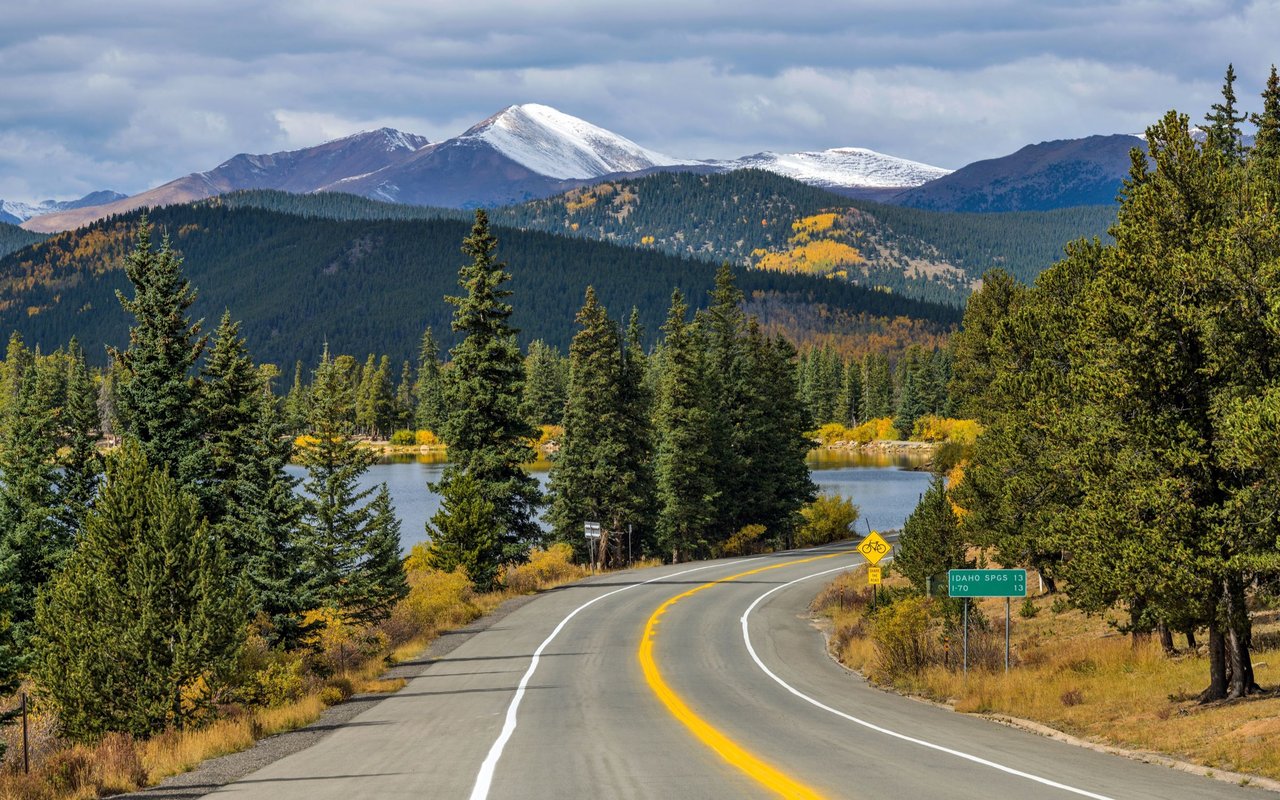
The Mesa Falls Marathon ran on July 18 this year, which means the Main Street barricades have been down for weeks and the huckleberry shakes are back on the regular menu rather than the runner's reward. That stretch between the marathon and the first hard frost is the quietest good window Ashton gets. The rivers are low and clear, the Ashton-Tetonia Trail is dry underfoot, and the two million visitors moving through toward Yellowstone start thinning as school calendars kick in.
If you already live here, you know most of the pieces. What follows is one way to arrange them, built around a small argument: Ashton's weekend rhythm is set by water. The four rivers within ten miles of Main Street decide where you go in the morning, and the Main Street dinner lineup is calibrated for people who come off the water tired, not for the tour bus.
The four-river math
The number worth holding in your head is four. There are four rivers within ten miles of Ashton — Henry's Fork of the Snake, the Teton River, Fall River and Warm River. That density is why the town supports fly shops, guide services, and a truck-stop burger counter in roughly equal measure. It also means a Saturday morning decision is really four decisions.
| River | Character | Typical late-summer use |
|---|---|---|
| Henry's Fork of the Snake | Tailwater, technical dry-fly water | Fly-fishing, wade access |
| Teton River | Meandering, slower | Paddle, wade, lower pressure |
| Fall River | Colder, brushier | Short walk-in fishing |
| Warm River | Small, packed-trail corridor | Family float, easy fishing |
The Warm River corridor is also the one you can run or ride without a rod. The Mesa Falls Marathon course itself includes 3.2 miles of packed trails along Warm River, with the finish at 5,253 feet, and those same trails read very differently in August at walking pace with a dog than they do at mile 17 of a race.
Above the water: the Byway and the old rail line
Two long routes bracket the town, and locals tend to pick one based on whether they want elevation or distance.
Mesa Falls Scenic Byway. The byway runs past two waterfalls, Upper and Lower Mesa Falls, and the drive itself is short enough that a full loop with a stop at the Big Falls Inn interpretive area fits comfortably inside a morning. If you've been through it a dozen times, the late-summer variation is to walk the connector trail between the upper and lower overlooks rather than drive between them. Water volume is lower now than in June, which sounds like a downside and isn't — the basalt bench above the lower falls is easier to read when the mist isn't blowing sideways.
Ashton-Tetonia Trail. The rail-trail runs nearly 30 miles through farmland and forest with the Tetons in the background. The whole thing is a project. The Saturday version most residents actually do is the Ashton-to-second-trestle segment, which returns slightly downhill toward town. Wheat and barley harvest is starting to color the fields on either side by the second half of August, and the sound cover is nothing but combines and hawks.
If you want a shorter loop that still puts you on gravel, the Warm River Campground access road links back to the byway and gives you a real ride without shuttle logistics.
The useful frame for late August in Ashton is not "what's open" but "what's finally empty." The trails and overlooks that were three-deep in July are, most weekends now, yours.
Where locals eat when the light goes flat
Main Street in Ashton is short. You can walk the dining lineup in about six minutes. The point isn't that any single restaurant is trying to be a destination — it's that the mix covers the specific shapes of hunger you develop after a morning outside.
- 511 Main Fountain & Pizzeria. The Teton pizza is the local order, and the sausage version is built on thick cheese and fennel-infused sausage, alongside a vegetarian and a smoky BBQ option. Huckleberry shakes are the tell for out-of-towners; residents order them anyway.
- Trails Inn Restaurant. A Main Street fixture that's been there for decades under changing ownership, with the food staying the community reference point. Breakfast is the strong meal. The address is 213 Main St., open 8 a.m. to 2 p.m. most days and closed Wednesdays, so a Saturday plan works but a Wednesday one doesn't.
- El Rincón. The kitchen doesn't serve alcohol, but every plate comes with chips, salsa and beans, and burritos start around $4.99. It's the honest post-float lunch.
- Frostop Drive-In. The classic drive-in sits across from the Main Street overflow parking, and the lot tells the story — most cars idling for a paper-wrapped basket. Order curds.
- Big Jud's. Tucked into a truck stop, and the burger volume rivals a Yellowstone parking lot on a July weekend. This is where you go when the group can't agree.
- Shoppe On Main. A small coffee stop with nitro cold brew and a rotation of shop dogs. The correct use is a mid-ride break, not a destination coffee.
The pattern in this list is worth naming: none of these places are trying to be Jackson or Driggs. They're calibrated for a working town that happens to sit at the intersection of two scenic byways and four rivers, which is a very different customer than a resort strip.
The rainy backup
If the sky closes in — August thunderstorms move through fast here — the useful indoor hour is the Museum of the Henry's Fork, which handles the region's river and rail history, including Dog Derby memorabilia from Ashton's other identity. That other identity is worth a paragraph.
The other calendar
The residents' calendar in Ashton runs on two axes. The summer axis is running, riding and fishing, capped by the marathon in mid-July. The winter axis is the American Dog Derby. The Dog Derby is the oldest dog sled race in the lower 48 states, a mid-February event with flights of trained dogs and mushers running out of and back into downtown Ashton, and a full community dance and dinner around it. It's a hundred and fifty miles from anywhere that has heard of it, which is part of why it survives on its own terms.
Between those two poles are the smaller markers most Ashton weekends actually run on: the Fourth of July parade down Main and fireworks at the ball field, the Mountain Man Rendezvous, the potato harvest turning the fields around town from green to brown. Ashton still describes itself as the World's Largest Seed Producing Area, and by early September the seed potato trucks start moving in earnest. If you're planning a September ride on the Ashton-Tetonia Trail, factor the ag traffic into your drive to the trailhead.
What this weekend actually looks like
A workable Saturday, assembled from the pieces above:
- Breakfast at Trails Inn before 9. Order the cinnamon roll for the table.
- Ashton-Tetonia Trail out and back, or Mesa Falls Byway with the connector walk between the two overlooks.
- A short wade on the Warm River or a longer session on the Henry's Fork if you've got the day.
- Late lunch at El Rincón, coffee reset at Shoppe On Main.
- Dinner at 511 Main if the group wants to sit down, Frostop if it doesn't.
Nothing on that list is new to anyone who's lived here more than a season. What's new is the timing. The week the marathon ends and the week the aspens turn are about six weeks apart. In between is the version of Ashton that residents talk about when they explain to relatives why they stayed.
When the weekend routine turns into a longer decision
Most of the people we work with started as weekend residents. They walked the trail, ate the pizza, spent enough Saturdays here to notice which parcels they kept driving past, and eventually asked what one of those parcels would actually cost to own. If that's the arc you're on — or if you're already here and thinking about what comes next for your land, your home, or a family property that's been in the same hands for two generations — Wealthwise Real Estate works quietly, on the buyer's or seller's schedule, and knows the difference between an Ashton-Tetonia Trail-adjacent lot and a Warm River corridor one. Reach out when the season slows down enough to talk.